 صحافة بلادي صحيفة إلكترونية مغاربية متجددة على مدار الساعة تعنى بشؤون المغرب الجزائر ليبيا موريتانيا تونس

- Rabat – My Press In implementation of the High Moulawi permission of His Majesty King Mohammed VI, President of the Supreme Council of the Judicial Authority, t...
- This occasion constituted a prominent constitutional station to review the achievements of the judiciary and the Public Prosecution, and to draw the features of...
صحافة بلادي — Rabat – My Press
In implementation of the High Moulawi permission of His Majesty King Mohammed VI, President of the Supreme Council of the Judicial Authority, the Rabat Court of Cassation witnessed, on Tuesday, January 13, 2026, the official session for the opening ofJudicial year 2026. This occasion constituted a prominent constitutional station to review the achievements of the judiciary and the Public Prosecution, and to draw the features of a new strategy that places the “citizen” at the heart of justice reform.
Outcome of judicial activity: Efficiency that challenges accumulation
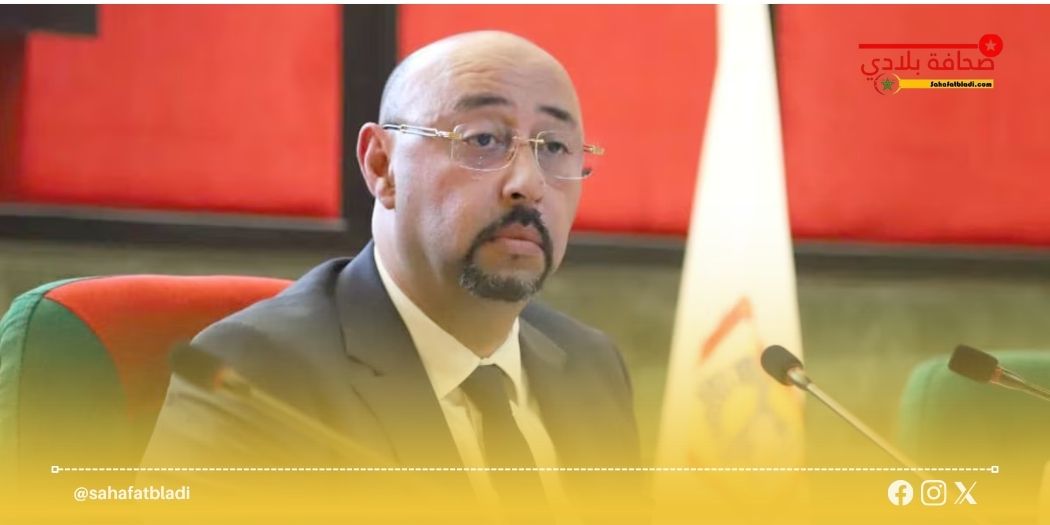
Mr. Mohamed Abdel Nabawi, President-Delegate of the Supreme Council of the Judicial Authority, confirmed thatThe judicial yearThe past has been marked by tremendous efforts. Where the Kingdom’s courts were able to decide on4,852,110 casesWith a record clearance rate of101%.
At the Court of Cassation level,45,515 decisionsThis reflects the dedication of judges to establish judicial security despite the increase in the number of registered cases, which reached53,023 new files. Abdel Nabawi stressed that the slogan “The judiciary serves the citizen” is the compass that guides the work of the courts duringJudicial year 2026.
Presidency of the Public Prosecution: “Heavy” numbers in protecting rights and improving public life
For his part, Mr. Moulay Al-Hassan Al-Daki, Chief Public Prosecutor, reviewed the outcome of the criminal policy, which was characterized by strictness and effectiveness, and its most prominent features were:
- Rationalization of pretrial detention:Achieving a historic rate of29.17%This is the lowest level recorded in the history of the Moroccan judiciary.
- Fighting corruption:processing1407 casesfinancial crimes, and dropping60 bribesIn case of flagrante delicto via “Direct Line”.
- Child protection:Confronting school dropout by repeating78,221 studentsFor the classroom, reject84%From applications for the marriage of a minor.
Digital Transformation: “Artificial Intelligence” will enter the courts in the judicial year 2026
The two judicial officials announced thatJudicial year 2026It will be a year of “comprehensive digitization”, through structured projects that include:
- LaunchNational Digital Custody RegisterTo ensure the transparency of places of detention.
- Dissemination of electronic signature and intangible exchange of correspondence.
- Employing technologiesArtificial IntelligenceTo improve the reception of servitudes and direct them within the courts.
Creating the judicial facility: linking responsibility to accountability
Official reports revealed the aspect of “firmness” in managing professional situations. Where disciplinary penalties were issued against68 judgesDuring the year 2025. The “earthquake” also included change94%From positions of judicial responsibility, to ensure the infusion of new blood characterized by competence and integrity, which enhances confidence in the judiciary duringJudicial year 2026.























 ليبيا وموريتانيا