 صحافة بلادي صحيفة إلكترونية مغاربية متجددة على مدار الساعة تعنى بشؤون المغرب الجزائر ليبيا موريتانيا تونس

- Tripoli –Repeated power outages in Libya caused disruption to the water supply heading to the capital, Tripoli, after affecting the operation of the man-made ri...
- The Man-Made River Project Implementation and Management Agency reported that the fluctuation in electrical voltage caused 41 out of 93 wells in the Sarir field...
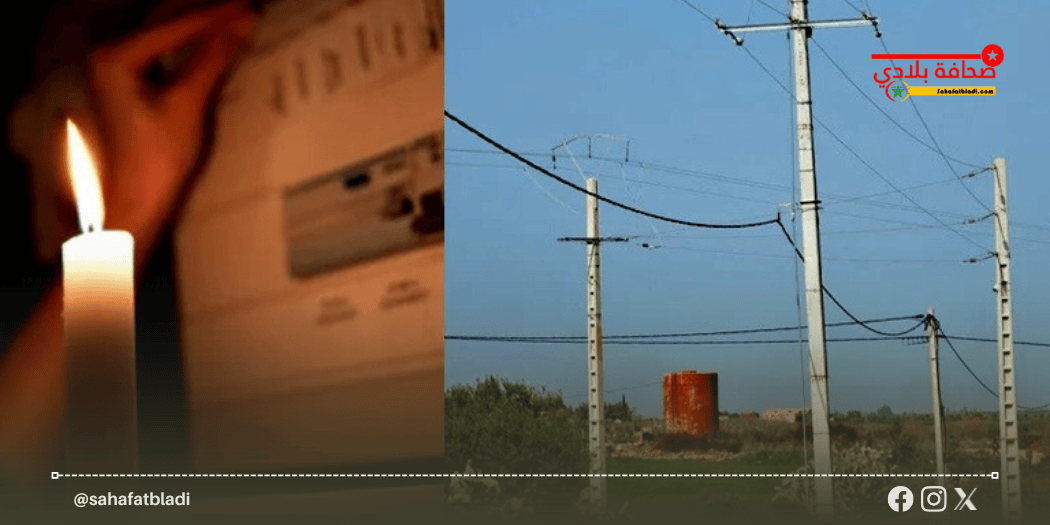
صحافة بلادي — Tripoli –Repeated power outages in Libya caused disruption to the water supply heading to the capital, Tripoli, after affecting the operation of the man-made river system, which led to a decline in the quantities of water reaching a number of neighborhoods, amid rising temperatures and increasing demand for consumption.
The Man-Made River Project Implementation and Management Agency reported that the fluctuation in electrical voltage caused 41 out of 93 wells in the Sarir field, and 11 out of 44 wells in the Tazarbu field, to go out of service, before the operating teams were able to gradually restart them. This disturbance also led to the loss of more than 120,000 cubic meters of water.
The Tripoli Municipality called on residents to rationalize water consumption, after recording a decrease in supplies coming from the man-made river system, which was reflected in the continuity of supply in a number of areas.
The Man-Made River Project is the main source for supplying water to the Libyan coastal cities, as it transports about one million cubic meters of groundwater daily from the Sarir and Tazerbo fields. However, its heavy dependence on the electrical network makes it vulnerable to interruption with any malfunction in the electricity system.
The crisis highlights the fragility of Libya’s vital infrastructure, as the disruption of the electricity sector has a direct impact on the water sector, affecting basic services and the agricultural sector, and increasing pressure on the population during the summer season.
Source:“My press”










 ليبيا وموريتانيا