 صحافة بلادي صحيفة إلكترونية مغاربية متجددة على مدار الساعة تعنى بشؤون المغرب الجزائر ليبيا موريتانيا تونس

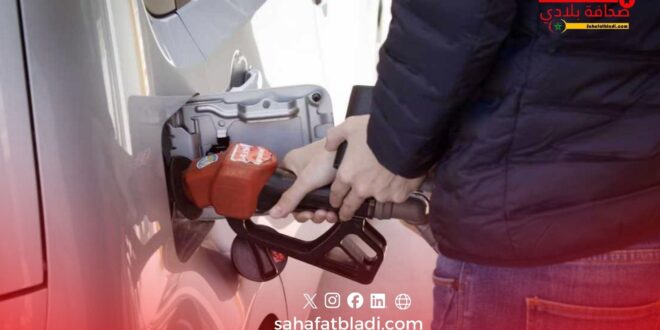
Tunisia –The Tunisian authorities continue to adopt a policy of stabilizing fuel prices, despite the increasing pressures on public finances and the rise in oil prices in global markets, in a move aimed at reducing the repercussions of inflation and containing social tension.
Economists believe that this trend has political and social dimensions, especially in light of the sensitivity of the fuel issue and the impact of any potential increase on the prices of transportation, basic materials, and services, which may increase pressure on citizens’ purchasing power.
Economist Reda Al-Shakandali confirmed that the Tunisian government continues to practically use fuel subsidies as a mechanism to mitigate the effects of the social crisis, despite the high cost it has on budget balances, noting that Tunisia has previously rejected the recommendations of the International Monetary Fund related to reforms that include raising fuel prices.
On the other hand, several Arab and Mediterranean countries have tended to raise fuel prices during the recent period, including Morocco, Jordan, the Emirates, and Lebanon, due to the rise in oil prices and geopolitical tensions related to the situation in the Middle East.
For his part, financial expert Ziad Ayoub considered that Tunisia is temporarily able to continue the price stabilization policy if it adopts energy hedging options and strategic purchases during periods of low global prices, warning at the same time that the cost of energy support will rise significantly if oil prices continue to rise.
Tunisia faces increasing financial challenges, especially since the 2026 Finance Law was built on the assumption of an oil price in the range of $65 per barrel, while global prices have exceeded higher levels in recent weeks, amid fears of expanding regional tensions and their impact on global energy markets.
The fuel file is considered one of the most sensitive files in Tunisia, given its direct connection to inflation levels and social stability, at a time when the authorities are betting on achieving economic growth in the coming years despite the existing financial and energy challenges.
Source:“My press”