 صحافة بلادي صحيفة إلكترونية مغاربية متجددة على مدار الساعة تعنى بشؤون المغرب الجزائر ليبيا موريتانيا تونس

Tunisia – My Press
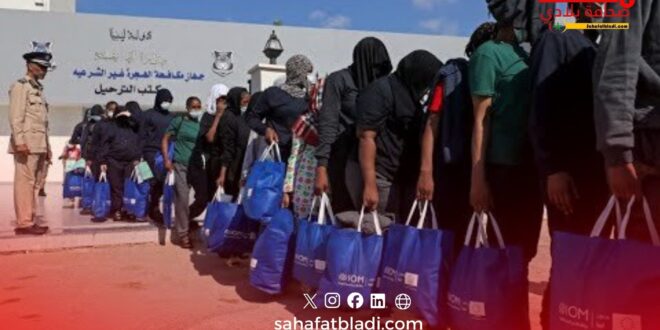
Statements made by a representative in the Tunisian Parliament sparked widespread controversy and a wave of condemnation within human rights circles and on social media sites, after he addressed the issue of rape of migrants from sub-Saharan African countries during a parliamentary session devoted to holding the Minister of the Interior accountable.
During the session, Representative Tariq Al-Mahdi expressed his astonishment at the circulating data about an African immigrant being subjected to sexual assault, in a statement that observers considered shocking, and sparked angry reactions that were considered to have discriminatory and offensive connotations.
This statement was followed by a wave of criticism from human rights organizations, as civil societies considered that the content of the speech contained an implicit justification for sexual violence, and perpetuated stereotypes and discrimination against women, especially immigrants from sub-Saharan Africa.
In this context, the “Voices of Women” association described the statements as “racist and insulting,” considering that they include signals that reduce the seriousness of the crime of rape and contribute to the normalization of hate speech within the institutional space. The Intersection for Rights and Freedoms Association also saw that the speech reflects a discriminatory tendency that links crime to formal standards, which exacerbates manifestations of violence and discrimination.
For its part, the Tunisian League for the Defense of Human Rights condemned what it described as “discriminatory speech,” noting that the statements affect the dignity of women and raise problems related to hate speech within institutions.
On social media platforms, a number of activists expressed their dissatisfaction with the content of the statements, demanding that the MP’s parliamentary immunity be lifted and an investigation be opened into the matter. Some of those interacting considered that what was stated in the speech required legal accountability, in light of what they considered to be incitement to discrimination and violence.
This controversy comes in the context of an escalating debate within Tunisia about immigration and human rights issues, especially with the increasing numbers of immigrants from sub-Saharan African countries, and the accompanying social and humanitarian challenges linked to the discourse of racism and discrimination.
Source:Yaladi journalism