 صحافة بلادي صحيفة إلكترونية مغاربية متجددة على مدار الساعة تعنى بشؤون المغرب الجزائر ليبيا موريتانيا تونس

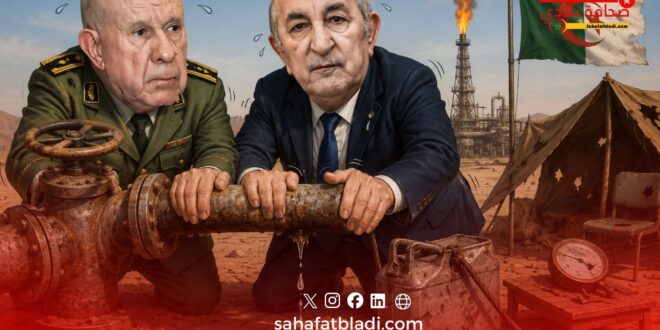
Algeria –A recent report issued by an international platform specialized in risk analysis revealed that Algeria, despite temporarily benefiting from the rise in oil and gas prices due to geopolitical tensions in the Middle East, does not have sufficient capabilities to transform into a major supplier capable of saving Europe from the worsening energy crisis.
The report explained that a number of European countries, led by Spain and Italy, have intensified during the past months their diplomatic and energy efforts with Algeria with the aim of securing additional supplies of gas, after a decline in part of the supplies coming from the Gulf region as a result of the turmoil associated with the war in the Middle East and the increasing tensions in the Strait of Hormuz.
The report indicated that the Spanish Foreign Minister visited Algeria last March to try to increase gas exports to Madrid by fully exploiting the Medgas sea pipeline, while examining the possibility of increasing liquefied natural gas shipments, but the practical results of these moves have not yet appeared on the ground.
The Italian government, in turn, has moved to strengthen energy cooperation with Algeria, especially after Rome has become increasingly dependent on Algerian gas in recent years. However, the report confirms that Algeria does not have a comfortable production margin that would allow it to quickly increase exports to meet the growing European demand.
The report attributes this limitation to several structural and technical factors, most notably the association with Sonatrach Long-term contracts reduce its ability to redirect additional quantities of gas towards European markets in the near term.
According to the same source, Algeria is also facing increasing pressure on the level of internal energy consumption, as domestic demand rises annually due to population growth, industrial expansion, and rising temperatures, which leads to a gradual reduction in the quantities available for export.
The report also highlighted the technical challenges facing the liquefied natural gas sector in Algeria, noting that liquefaction facilities have been subject to maintenance and modernization work for years that directly affected production levels, which remained below the maximum declared capacity.
Among the most prominent points raised by the report is the natural decline experienced by some old gas fields, most notably the Hassi Rmel field, which requires additional investments to maintain current production levels instead of expanding exports.
Despite the launch of new projects to strengthen pressure and production within some fields, the report believes that the impact of these projects will remain limited in the short term, at a time when Europe is looking for urgent solutions to compensate for the disruptions in the global energy market.
On the other hand, the report indicated that Algeria benefits financially from the rise in oil prices, but this benefit remains relative due to the high cost of the state’s financial balance and the dependence of the Algerian economy almost entirely on hydrocarbon revenues.
The same source also warned that continued reliance on oil and gas revenues without deep economic reforms may increase the fragility of the Algerian economy, especially in light of the continuing obstacles related to the investment climate, bureaucracy, and the complexity of the laws regulating the energy sector.
Source:
“My press”“صحافة بلادي”