 صحافة بلادي صحيفة إلكترونية مغاربية متجددة على مدار الساعة تعنى بشؤون المغرب الجزائر ليبيا موريتانيا تونس

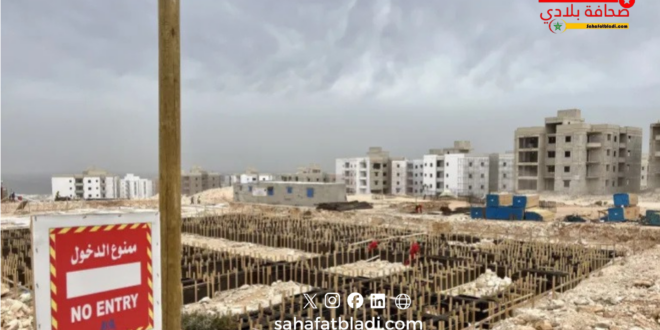
TripoliManifestations of unregulated urban expansion continue in a number of Libyan cities, most notably the capital, Tripoli, amid warnings of the repercussions of random construction on agricultural lands and infrastructure, in light of the absence of modern urban plans for more than a quarter of a century.
The Al-Khallah area, south of Tripoli, shows the spread of residential complexes that were established outside the official urban plan, in light of their lack of the most basic services, such as water, electricity, and sewage networks, which imposes on residents daily challenges related to transportation and living conditions.
According to field data, engineers and contractors face great difficulties when implementing construction projects within these areas, as a result of the absence of basic infrastructure, which requires establishing service networks from scratch before starting construction work.
In this context, the Director of the Urban Planning Office at the Libyan Ministry of Housing, Abdul Rahman Al-Fahd, confirmed that the absence of political will during the past years contributed to disrupting the adoption and implementation of urban expansion plans, which paved the way for the spread of random construction and encroachments on land.
The official pointed out that the current government is working to reactivate a number of residential and service projects that have been stalled for years, but the scale of unregulated urban expansion makes addressing this phenomenon more complex, in light of the need for effective regulatory and legal measures.
On the other hand, reports have warned that the continuation of random construction is taking place at the expense of agricultural lands, which threatens food security in Libya, as statistics indicate that the areas suitable for agricultural investment currently represent only about5%Of the total lands.
Urban planning specialists believe that the continued absence of organized planning and illegal expansion will further complicate the housing and environmental crisis, and undermine efforts aimed at protecting agricultural land and ensuring sustainable urban development in various Libyan cities.
Source:“My press”