 صحافة بلادي صحيفة إلكترونية مغاربية متجددة على مدار الساعة تعنى بشؤون المغرب الجزائر ليبيا موريتانيا تونس

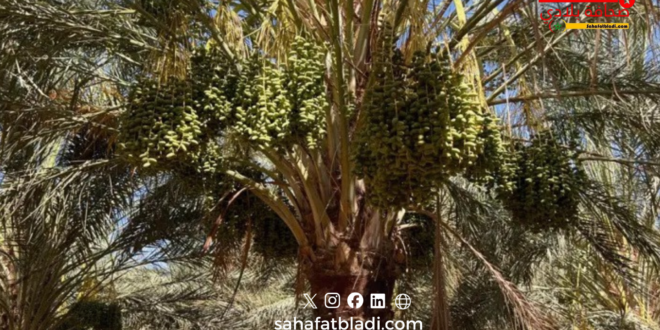
Tripoli –Libyan academic Nasser Dhawoud confirmed that the lack of qualified labor and weak infrastructure represent among the most prominent challenges hindering the development of the agricultural sector in Libya, noting that achieving an agricultural renaissance requires the provision of arable land and financial capabilities, in addition to trained human competencies.
Theoud explained, in statements to Sputnik, that the limited population density in agricultural areas and the lack of qualified workers have negatively affected the exploitation and development of agricultural projects, despite the ambitious agricultural programs the country has witnessed over the past decades.
He pointed out that the Green Mountain region was a model for these projects, as it included land reclamation operations, providing infrastructure, agricultural machinery and water sources, in addition to implementing training and guidance programs for farmers and establishing institutes to prepare technical personnel.
He added that many of these projects were subject to decline due to the shortage of workers, and the decline in government interest in the agricultural sector, in exchange for the focus on the rentier economy and the oil sector, in addition to the impact of political developments on development plans.
Regarding water resources, Dhawood explained that Libya is considered one of the countries that suffer from water scarcity, despite having a reserve of groundwater. He pointed out that the Great Man-Made River Project has contributed to supporting agricultural development in desert areas, but it requires the completion of infrastructure projects to ensure the sustainability of benefiting from it.
He also stressed the importance of developing roads and basic services in agricultural areas, especially in the south, to encourage population stability and support agricultural activity, stressing that weak infrastructure still limits full use of the available potential.
The Libyan academic called for improving the agricultural investment climate by providing a stable economic environment, developing banking and financial services, and restoring investor confidence, which contributes to enhancing agricultural production and achieving food security in the country.
Source:“My press”