 صحافة بلادي صحيفة إلكترونية مغاربية متجددة على مدار الساعة تعنى بشؤون المغرب الجزائر ليبيا موريتانيا تونس

- The issue of tampering with national numbers returned inLibyaTo the forefront of public debate, following the launch of the committees created by theoffice The ...
- The investigations resulted, according to what was officially announced, in monitoring tens of thousands of invalid national restrictions, including cases in wh...
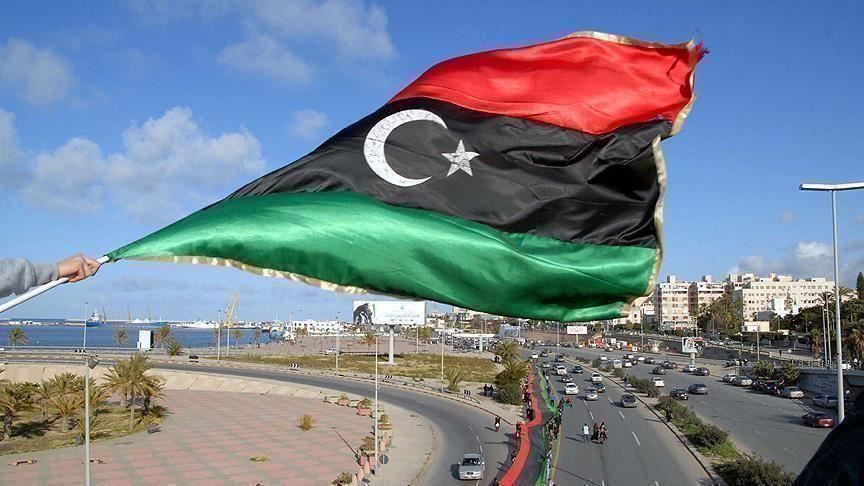
صحافة بلادي — The issue of tampering with national numbers returned inLibyaTo the forefront of public debate, following the launch of the committees created by theoffice The Libyan Attorney GeneralIn publishing the conclusions of investigations that spanned nearly two years, disturbing data was revealed about the extent of the imbalances affecting the civil registry system.
The investigations resulted, according to what was officially announced, in monitoring tens of thousands of invalid national restrictions, including cases in which foreigners benefited by obtaining national numbers and official documents, some of which were used in suspicious financial transactions and cases suspected of being linked to money laundering, which expanded the circle of risks beyond the administrative dimension to threats affecting security and sovereignty.
In parallel, a parliamentary committee signaled its intention to review the legal framework regulating the civil registry and the national number, in light of increasing questions about how such a large number of restrictions were passed without early monitoring, the loopholes that allowed them to continue, and the limits of legal and institutional responsibility.
Legal experts have warned that the seriousness of this issue does not lie only in the size of the numbers, but in its potential repercussions on the political track, especially electoral entitlements. In this context, the professor of law and former dean of the Faculty of Law at the University of Sirte,Khalifa AhwasForging official documents is a serious crime, but compromising the national number amounts to a direct threat to national security, especially in light of the political and institutional division that limits the effectiveness of the confrontation.
The spokesman pointed out that any defect in the civil registry may delegitimize the electoral process and undermine confidence in its results, which would negatively reflect on the entire democratic process.
For his part, the Chairman of the National Security Committee in the House of Representatives stressed,Talal Al-MayhoubHowever, tampering with national numbers represents a direct violation of Libyan identity, stressing that the legislative institution is preparing steps to tighten restraining laws and limit this phenomenon.
As for the professor of criminal law at the University of Benghazi,Jazia ShaiteerShe considered that the current legislation is insufficient to confront the magnitude of the risks, considering that the current texts define these acts as crimes that affect public trust, while their repercussions justify their classification as state security crimes, which requires more stringent penalties and updated legislation that keeps pace with the digital transformation.
The expert attributed this deficiency to the antiquity of the Penal Code issued in 1953, and its incompatibility with current technical challenges, in addition to the dispersion of legal requirements among several texts, which weakens the effectiveness of judicial follow-up.
On the other hand, a source within the Civil Status Authority, who preferred to remain anonymous, explained that the total number announced is not limited to explicit cases of forgery, but also includes numbers that were canceled for technical or procedural reasons, such as errors in personal data or repetition, without an accurate official explanation of this detail.
The same source pointed out the fragility of the technical design of the national number, and the absence of advanced verification methods, such as the biometric fingerprint, which facilitated the passing of invalid documents, warning that the continuation of this situation may exacerbate the security and social risks.
At the conclusion of the discussion, academics and legal experts, includingMagdy Al-Shabani, to urgent institutional action that includes suspending any amendments to the civil registry in questionable files, and establishing permanent audit mechanisms under judicial oversight, in addition to enacting special legislation that criminalizes trafficking in the national identity, to protect public order and guarantee the rights of citizens in good faith.
Source: My press










 ليبيا وموريتانيا


