 صحافة بلادي صحيفة إلكترونية مغاربية متجددة على مدار الساعة تعنى بشؤون المغرب الجزائر ليبيا موريتانيا تونس


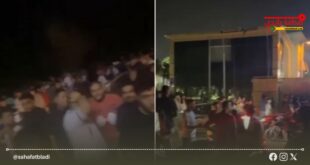
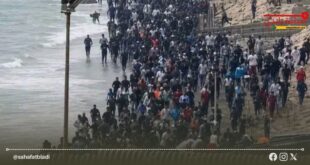
Nouakchott –On Sunday evening, the capital, Nouakchott, witnessed demonstrations called by Mauritanian opposition forces to protest the high prices of living and what they described as “restrictions on freedoms,” at a time when the ruling party responded by emphasizing the necessity of confronting “speech of incitement and hate” and preserving national stability.
These movements come after a wave of successive increases in fuel prices, in addition to the arrest of a number of human rights activists, politicians, and some parliamentarians. These developments prompted the various factions of the opposition to take to the streets in a unified movement that is considered the third of its kind since President Mohamed Ould Sheikh Ghazouani came to power in 2019.
Several opposition political blocs participated in the call for the demonstration, most notably the “Democratic Opposition Foundation” led by Hamadi Ould Sidi Al-Mukhtar, head of the “National Rally for Reform and Development – Tawasul” party, along with the “Democratic Alternation Coalition 2029” supporting the human rights activist and former presidential candidate Biram Dah Abeid, in addition to other youth parties and movements.
During the demonstrations, slogans were raised criticizing the economic conditions and high prices. They also called for a review of the way social and political files are managed, especially those related to public freedoms and the file of national unity.
In statements circulated during the protests, opposition leaders considered that taking to the streets represented a “message of pressure” on the government to adopt more just and equitable policies for citizens, amid accusations of the authorities restricting opposition voices.
On the other hand, the ruling PTI party defended the government’s tally, stressing its support for measures related to protecting purchasing power and enhancing internal stability.
The party explained, after its political bureau meeting, that the authorities are working to establish a climate of calm and political openness, while emphasizing the need to confront what it described as “speech of hatred, incitement, and division” that threaten social peace and national unity.
Ruling party officials also justified the recent arrests by being linked to unlicensed marches and slogans deemed extremist, at a time when the opposition asserts that these arrests target opposition activists and fall within an increasing restriction on freedoms.
Political circles in Mauritania are following these developments amid anticipation for the future of the relationship between the government and the opposition, especially after the political dialogue sessions faltered during the past months.
Source:“My press”