 صحافة بلادي صحيفة إلكترونية مغاربية متجددة على مدار الساعة تعنى بشؤون المغرب الجزائر ليبيا موريتانيا تونس

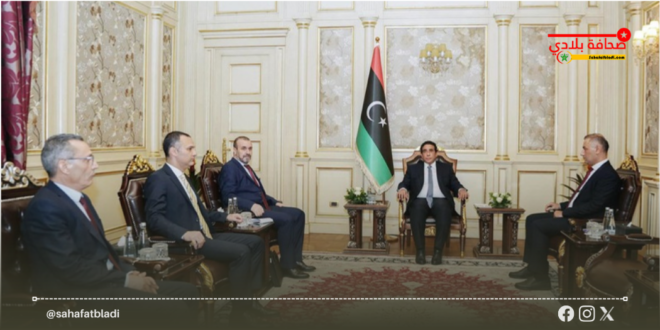
Tripoli –Libyan reactions to the American move aimed at advancing the political process in the country continue, amid a clear difference in the positions of the political and military forces regarding the initiative led by the US President’s Advisor for Arab and African Affairs, Massad Boulos, in the absence of an official document specifying its details and implementation mechanisms.
Recent weeks witnessed a series of meetings held by Paul in the cities of Benghazi, Tripoli, Misrata, and Zintan, which included military, security, and economic officials, in addition to consultations with Egyptian officials and the United Nations Support Mission in Libya, as part of efforts to move the political stalemate that the country is witnessing.
The General Command in eastern Libya and the House of Representatives announced their support for the American path, considering it an opportunity to revitalize the political process. A number of political actors also called for positive interaction with these efforts in a way that contributes to bringing viewpoints closer between the Libyan parties.
In the south, the National Political Assembly of Fezzan announced its support for any international initiative aimed at ending the crisis, but it linked its support to a set of conditions, most notably setting a clear timetable for holding elections, renewing legitimacy through the ballot boxes, and ensuring the participation of the Fezzan region in the various stages of the political settlement, while rejecting any arrangements based on the existing balance of power.
On the other hand, activities in the city of Misrata expressed their reservations about the initiative, considering that any political path cannot be evaluated in the absence of an official document specifying its contents and goals, stressing that ending the crisis requires a referendum on the draft constitution and then organizing presidential and parliamentary elections.
The Supreme Council of State also confirmed that it had not received any written draft for the initiative, indicating that what is being circulated so far does not go beyond media statements, and stressing the need to respect the constitutional and institutional frameworks in any future political settlement.
Observers believe that the American initiative is still in the stage of exploring positions and building consensus, while its success remains dependent on its ability to achieve a broad Libyan consensus on mechanisms for unifying institutions, ending the political division, and creating the conditions for holding long-awaited elections.
Source: “My press”