 صحافة بلادي صحيفة إلكترونية مغاربية متجددة على مدار الساعة تعنى بشؤون المغرب الجزائر ليبيا موريتانيا تونس

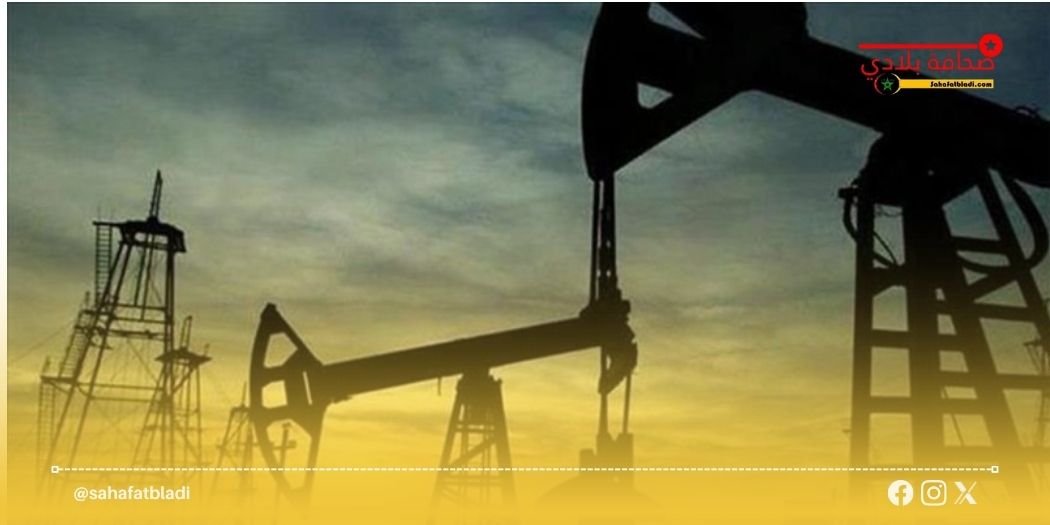
- North African countries are booming in the field of energy, as they occupy advanced positions at the global level in terms of green hydrogen production, thus be...
- The region is distinguished by its enormous wealth in renewable energy sources, as it records the highest levels of solar radiation and wind speeds in the world...
صحافة بلادي — North African countries are booming in the field of energy, as they occupy advanced positions at the global level in terms of green hydrogen production, thus benefiting from competitive advantages that place them at the global forefront.
The region is distinguished by its enormous wealth in renewable energy sources, as it records the highest levels of solar radiation and wind speeds in the world, which makes this region produce future fuels at an unprecedented competitive cost.
Some reports from the Energy Research Unit in Washington revealed great ambitions in this field for North African countries, as the countries of the aforementioned region collectively target the production of 5.2 million tons annually in 2030, with the possibility of reaching 25 million tons by the middle of the current century.
Egypt leads the countries in the region as it aims to achieve a production of 3.2 million tons during the year 2030, followed by Mauritania in second place with one million two hundred thousand tons, while the West comes third with an amount of five hundred and ten thousand tons, followed by Tunisia with three hundred and twenty thousand tons.
To strengthen their competitive position in global markets, these countries are seeking to convert hydrogen into higher value-added products such as green ammonia, methanol, and green steel.
While Mauritania, which is considered one of the leading countries in this field, plans to export 6.9 million tons of ammonia during the year 2030, and Morocco, for its part, is looking forward to exporting 2.72 million tons of liquid fuel derived from hydrogen.
The countries of the region face major obstacles represented by the difficulty of attracting financing due to investors’ fear of risks, a shortage of qualified personnel, and a weakness in terms of the supporting logistical infrastructure, and this is despite the huge potential that characterizes the region.
The report pointed to four axes to ensure the success of this project and the major transformations taking place in the region, the most prominent of which is the need for supportive government policies and a clear strategic vision, in addition to delivering technology and localizing the industry, then the need to provide innovative mechanisms and develop supply chains and local competencies.
It is noteworthy that ensuring social stability and achieving comprehensive development that benefits all parties is the necessity of involving local communities in these major transformations.
The North African region is considered a strategic partner for Europe in achieving the goals of green transformation, with the potential to bring about a qualitative shift in local economies that redraws a new economic map for the region.












 ليبيا وموريتانيا