 صحافة بلادي صحيفة إلكترونية مغاربية متجددة على مدار الساعة تعنى بشؤون المغرب الجزائر ليبيا موريتانيا تونس


Many experts are sounding the alarm about the potential effects of microplastics, which have been found in various organs of the human body, from the lungs to the kidneys to the blood. Despite this, scientists are still unsure of its effects on public health.
Microplastics, smaller than 5 millimeters in size, are found in air, water, food, synthetic packaging and textiles, tires and cosmetics. Humans ingest, inhale, or are exposed to these particles on a daily basis.
Fabienne Lagarde, a researcher at the Lohman Institute for Molecules and Materials, points out that “humans in 2024 contain plastics in most of their body parts, and the situation will likely be worse for children who will be born in 2040.” In recent years, the presence of these molecules has been detected in the lungs, heart, liver, kidneys, and even in the placenta and blood.
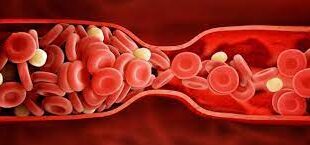
Multiple studies suggest a link between micro- and nanoplastic particles (which are a thousand times smaller) and their negative health effects. A recent study published in March in the New England Journal of Medicine showed a relationship between the accumulation of these molecules in blood vessels and an increased risk of heart attacks and strokes, especially in people with atherosclerosis.
In statements to Agence France-Presse, Professor Tracy Woodruff from the University of California confirmed that research on microplastic particles is increasing and revealing worrying health effects. An analysis of more than 2,000 animal studies has shown that these molecules affect fertility, are associated with an increased risk of cancer, and harm the respiratory system.
Woodruff points out that the presence of microplastics in various organs, including the brain, testicles and even fetuses through the placenta, constitutes a “serious red flag.” However, there is still no conclusive evidence directly linking exposure to plastics to their health effects.
The majority of studies of concern are conducted in laboratories, sometimes on human cells or animal models, but the animal data reflects biological systems that are close to those found in humans.
There are still many unknown details about the effect of the shape, size and type of plastic or additives. Of the more than 16,000 chemicals used in plastics, a quarter are considered a known risk, according to the Alliance of Scientists on Plastics, which has warned that these materials may lead to infertility, obesity, and non-communicable diseases such as diabetes and heart disease.
A 2019 World Wide Fund for Nature report also indicated that humans may ingest or inhale up to 5 grams of plastic per week, the equivalent of the weight of a credit card. However, these results have been revised, and subsequent research has shown lower or varying estimates depending on different conditions.
In light of this research and warnings, it appears that our understanding of the threat of microplastics is still in its infancy, calling for effective preventative measures.