 صحافة بلادي صحيفة إلكترونية مغاربية متجددة على مدار الساعة تعنى بشؤون المغرب الجزائر ليبيا موريتانيا تونس

- Tunisia –The marine pollution crisis is worsening on a number of Tunisian coasts amid increasing warnings of environmental, health and economic repercussions af...
- The southern suburbs of the capital, Tunis, especially the areas of Hammam-Lif, Rades, and Zahraa, are among the most affected areas, after parts of their beach...

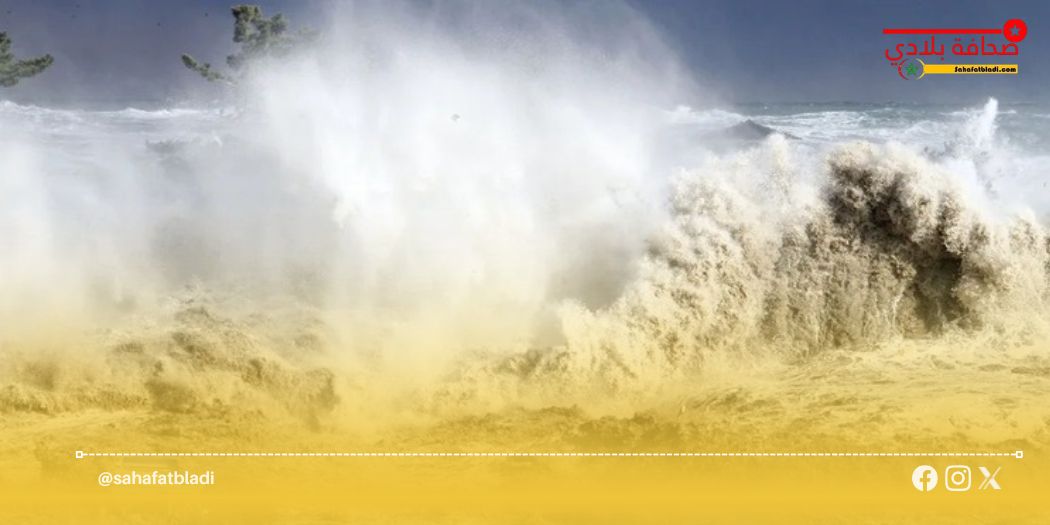
صحافة بلادي — Tunisia –The marine pollution crisis is worsening on a number of Tunisian coasts amid increasing warnings of environmental, health and economic repercussions affecting thousands of residents, in light of the continued discharge of industrial water and sewage into the sea in several coastal areas.
The southern suburbs of the capital, Tunis, especially the areas of Hammam-Lif, Rades, and Zahraa, are among the most affected areas, after parts of their beaches turned into areas unsuitable for swimming, according to official data, due to the deterioration of water quality and the spread of pollution.
Environmental activists confirm that the crisis is no longer limited to affecting tourism and recreational activity, but has extended to the marine fishing sector, with increasing consumer fears of marine products coming from the affected areas.
According to activists and environmental associations, decades of discharging industrial waste and untreated water have contributed to the decline in marine biodiversity and the death of numbers of fish and sea turtles, in addition to the spread of unpleasant odors and the deterioration of the coastal landscape.
Official data also indicate that large quantities of used water are pumped annually into the valleys, sabkhas, and the sea, which increases pressure on the ecosystem and threatens the sustainability of marine resources.
The crisis is not limited to the capital and its suburbs, as other coastal regions, including Nabeul, Monastir and Gabes, are recording worrying indicators related to marine pollution, amid continuing demands to tighten control over industrial activities and adopt radical solutions to address the sources of pollution.
In Gabès, environmental calls have been renewed to limit the effects of industrial activities on the coast, as activists confirm that ongoing pollution has caused damage to the marine environment and related economic activities, at a time when demands continue for more effective measures to protect the Tunisian coastal strip.
Source:“My press”









 ليبيا وموريتانيا