 صحافة بلادي صحيفة إلكترونية مغاربية متجددة على مدار الساعة تعنى بشؤون المغرب الجزائر ليبيا موريتانيا تونس

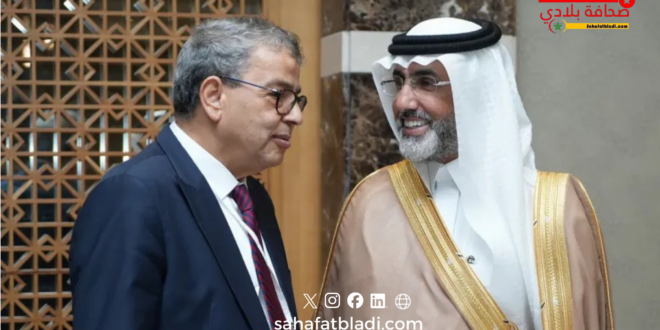
TunisiaThe Republic of Tunisia and the Arab Monetary Fund signed a loan agreement worth312 million US dollarsIn a move aimed at supporting the economic and financial reform program implemented by the government, and enhancing economic and financial stability in light of the challenges facing the country.
The Central Bank of Tunisia stated, in a statement, that the agreement was signed on Tuesday, July 7, 2026, between the Governor of the Central Bank,Fathi Zuhair Al-NouriDirector General and Chairman of the Board of Directors of the Arab Monetary Fund,Fahd bin Mohammed Al Turki, with a value of76.7 million Arab account dinars, which is equivalent to about$312 million.
The bank explained that the financing comes to contribute to supporting the economic and financial reform program, and to help cover the needs of the balance of payments, thus enhancing the solidity of the Tunisian economy and its ability to face financial pressures.
He added that the agreement reflects continued cooperation between Tunisia and the Arab Monetary Fund, and confidence in the path of economic reforms, stressing continued coordination with various national institutions and financial partners to make reform programs successful and enhance financial stability.
According to the statement, the loan will be disbursed toThree paymentsThe first is granted immediately after the agreement enters into force, while the payment period for each payment extends toSeven years, includingA grace period of three and a half years Payment must be made viaEight equal semi-annual installments.The Central Bank indicated that the Arab Monetary Fund approves
Arab Arithmetic DinarAs a unit of account in its financing transactions with member states, it is a non-circulating unit whose current value is about4.1 USD.This financing comes at a time when Tunisia faces continuing economic and financial challenges, as official estimates indicate that the budget deficit during the year 2026 will reach about
11 billion Tunisian dinars(About3.7 billion dollars), which represents about3.9% of GDP.The Tunisian authorities are seeking to implement financial and economic reforms to confront the pressures associated with the high costs of energy and basic materials, in addition to the repercussions of the global economic crises that have affected public finances and the balance of payments.
Source:
“My press”“صحافة بلادي”