 صحافة بلادي صحيفة إلكترونية مغاربية متجددة على مدار الساعة تعنى بشؤون المغرب الجزائر ليبيا موريتانيا تونس

- Tripoli –The leak of banking and administrative documents described as “sensitive” on the Dark Web sparked a state of security and banking alert in Libya, after...
- The Central Bank said that its technical teams, in cooperation with experts and specialized international companies, continue to verify the nature and size of t...
صحافة بلادي — Tripoli –The leak of banking and administrative documents described as “sensitive” on the Dark Web sparked a state of security and banking alert in Libya, after the Central Bank of Libya admitted to leaking part of its data following a cyber attack that targeted its system weeks ago, stressing its refusal to submit to any blackmail attempts.
The Central Bank said that its technical teams, in cooperation with experts and specialized international companies, continue to verify the nature and size of the published data, and take the necessary measures to contain the effects of the hack, while stressing that basic banking services and customer accounts are still operating normally and have not been affected by the incident.
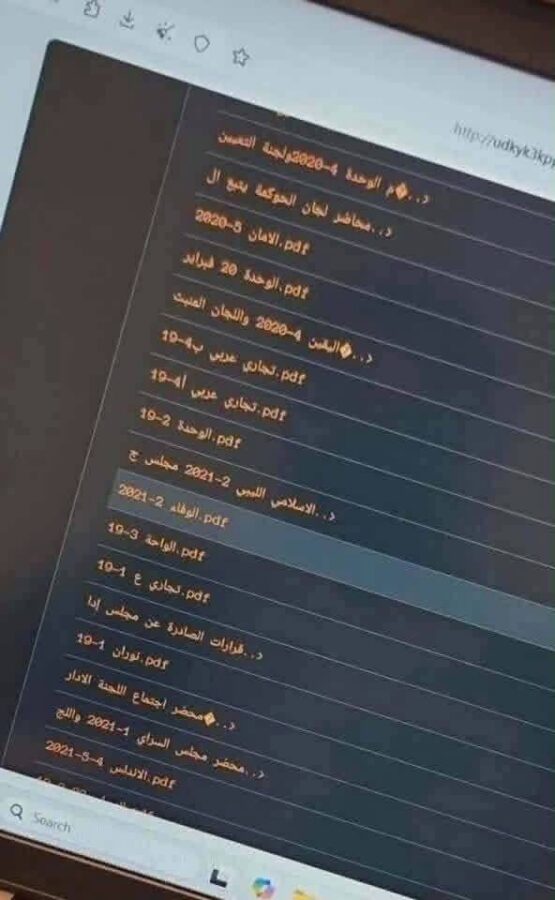
Platforms on the Dark Web circulated files that included administrative correspondence, supervisory documents, minutes of meetings, and financial reports dating back to the period between 2020 and 2026, and included data related to the Central Bank and a number of Libyan commercial banks, amid reports that spoke of the use of these files as a pressure card in electronic blackmail attempts.
On the other hand, the Internal Security Service in Tripoli announced the opening of an investigation into the incident, warning against downloading or running the circulating files, after examinations showed that some of them contain malicious software that may allow the penetration of devices, theft of data, or the disruption of systems.
The agency called on government institutions, banks, and companies to refrain from dealing with the leaked files, and asked employees who downloaded them to immediately inform the information technology departments and not to run or delete them, to enable the specialized teams to contain any potential electronic threat.
Specialists believe that the incident reveals the fragility of the cybersecurity system in Libyan institutions, especially with the expansion of the digitization of financial and administrative services, stressing that confronting such threats requires strengthening the digital infrastructure, developing protection systems, and training cadres, in addition to cooperation with international institutions specialized in cybersecurity.
The Central Bank confirmed the continuation of technical and criminal investigations in coordination with security agencies and international experts, while implementing additional measures to enhance the security of its systems and raise their readiness to confront cyberattacks in the future.
Source:“My press”









 ليبيا وموريتانيا