 صحافة بلادي صحيفة إلكترونية مغاربية متجددة على مدار الساعة تعنى بشؤون المغرب الجزائر ليبيا موريتانيا تونس

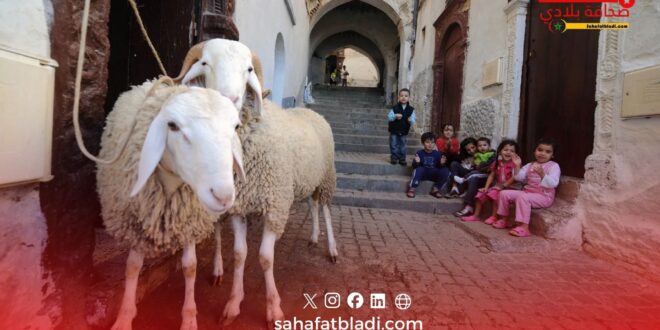
Algeria –The process of importing sacrificial animals in Algeria, which was promoted as a solution to control prices and provide sheep before Eid al-Adha, has turned into a source of widespread controversy after deaths were recorded among a number of imported rams after they were delivered to citizens.
During the past weeks, the Algerian authorities announced the import of about one million heads of sheep from several European countries, including Spain, Romania and Hungary, in an attempt to contain rising prices and relieve pressure on local markets.
However, the circulation of data about the death of some sacrificial animals immediately after their acquisition raised a wave of questions and criticism on social networking sites, especially in light of talk about the long transportation conditions that the sheep were subjected to before arriving in Algeria.
In an attempt to contain the controversy, local authorities in a number of states quickly called on citizens to immediately report any case of death, subjecting dead sacrifices to veterinary inspection and adopting a special compensation procedure.
The relevant departments also stressed the necessity of keeping the identification ring attached to the ram’s ear, as it is an essential document for processing compensation files and tracking the source of imported sacrifices.
This situation has revived the debate within Algeria about the effectiveness of the import option in managing the sacrificial animal market, especially with the continued complaints of citizens regarding the quality of some rams and the conditions of their transportation and feeding after their arrival.
Observers believe that the crisis revealed challenges related to the extensive import operations, whether in terms of health monitoring or shipping and distribution conditions, at a time when the authorities were betting on this step to calm the markets and absorb consumer anger before the holiday.
On the other hand, specialists confirm that climate change and the length of the transportation period may directly affect the health condition of imported sheep, especially in the absence of conditions for gradual care after their arrival.
These developments continue to raise controversy in Algeria, amid calls to tighten monitoring and hold accountable those involved in import and distribution operations.
Source:“My press”