 صحافة بلادي صحيفة إلكترونية مغاربية متجددة على مدار الساعة تعنى بشؤون المغرب الجزائر ليبيا موريتانيا تونس

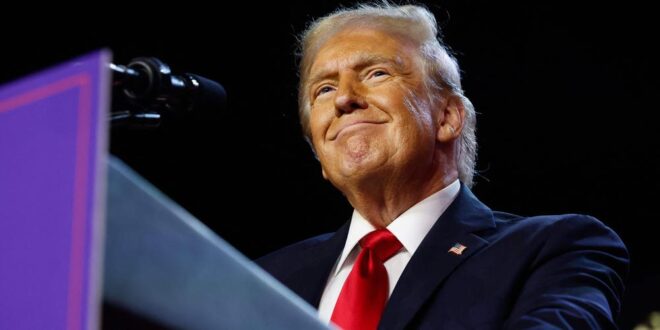
Washington –The administration of US President Donald Trump announcedImposing new customs dutiesOn imports coming from about 60 countries, in a new step aimed at tightening US trade policy after restrictions imposed by the Supreme Court on some previous tariff measures.
According to a statement issued by the Office of the US Trade Representative, the new duties will go into effect startingMidnight on Friday, at a rate ranging between 10% and 12.5%,To include imports from major trading partners, includingEuropean countries, China and India, and represents approximately99.4%Of total US imports.
White House officials confirmed that the administration will not back down from its trade goals due to the judicial rulings, indicating that President Trump will continue to use available legal tools to protect American industry and confront what Washington considers unfair trade practices.
The administration explained that the decision came after an investigation that lasted several months into allegations of the use of forced labor in the production of goods destined for the American market, in addition to what it described as some countries not taking sufficient measures to address these practices.
On the other hand, the step was rejected by a number of targeted countries, which described it asBrazilThe new fees are“Arbitrary and unjustified”While Australia confirmed that it will continue to pressure Washington to cancel the duties imposed on its exports, while Mexico explained that it does not see an actual change in the level of duties it currently pays.
Although, according to the US administration, the new duties will not lead to an immediate rise in prices within the United States, experts expect their effects to be gradually reflected on supply chains and global markets in the coming months, especially with the continuation of other trade investigations that may lead to the imposition of additional duties on major economic partners, including China and the European Union.
Observers believe that the Trump administration is seeking to establish a long-term protectionist policy, this time based onSection 301 of the US Trade Act of 1974, which is considered more robust from a legal standpoint compared to the mechanisms that were previously used and were subject to challenge in court.
Source:“My press”