 صحافة بلادي صحيفة إلكترونية مغاربية متجددة على مدار الساعة تعنى بشؤون المغرب الجزائر ليبيا موريتانيا تونس

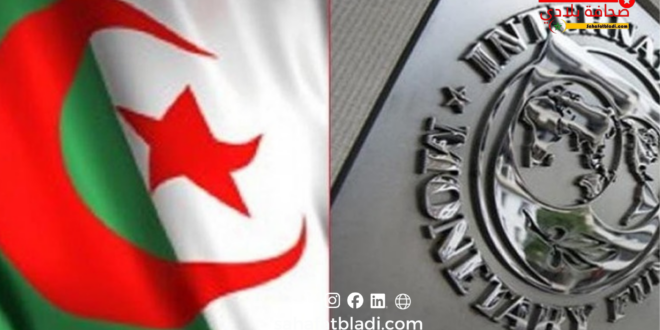
AlgeriaThe International Monetary Fund called on the Algerian authorities to implement broad financial reforms and adopt what it described as “major financial consolidation,” warning that the continuation of current deficit levels may lead to the depletion of foreign reserves and an increase in public debt, in light of the challenges facing the Algerian economy.
These recommendations came after the Fund’s mission concluded the Article 4 consultations for the year 2026, where it was considered that strengthening the economy’s resilience has become more urgent with the decline in financial and external margins, calling for tightening fiscal policy and reducing the resort to monetary financing of the budget deficit, with the possibility of tightening monetary policy if inflationary pressures continue.
The Fund explained that the Algerian economy recorded growth of3.9 percentDuring the year 2025, driven by an increase in investments, the fiscal deficit, despite its decline to10.5 percent of GDPIt remained high, benefiting from exceptional distributions to public companies and the Central Bank, in addition to improved non-oil revenues.
The report indicated that high financing needs pushed public debt to52.1 percent of GDPWhile the increase in imports and the decline in fuel exports led to a widening of the current account deficit and a decrease in international reserves, which according to the latest official data amounted to about70 billion dollars.
Despite these indicators, the International Monetary Fund maintained its relatively positive expectations for the Algerian economy, likely to achieve growth of3.8 percentDuring 2026, supported by improved oil and gas prices, which may contribute to enhancing public revenues and reducing the current account deficit, with the expectation of recording a temporary rise in inflation rates.
The Algerian government, within the Finance Law of 2026, aims to achieve economic growth of approximately4 percent, while reducing the inflation rate to less than2 percentDepending on expanding investments in the industrial and mining sectors.
The Fund warned that the continuation of the fiscal deficit at current levels may lead, in the medium term, to an increase in public debt and the depletion of foreign reserves, stressing that the sustainability of the Algerian economy requires accelerating structural reforms and diversifying sources of income away from hydrocarbons.
He also recommended expanding the tax base, reducing tax exemptions, enhancing digitization and fiscal administration, in addition to reforming the support system, reducing financial transfers to public institutions, and improving the efficiency of public investment.
The report also called for adopting greater flexibility in the exchange rate, improving the business climate, and easing regulatory and trade restrictions, which contributes to enhancing the role of the private sector and achieving a more sustainable growth model.
According to the International Monetary Fund, the Algerian economy remains exposed to fluctuations in oil and gas prices, as it is the main source of public revenues and hard currency, which makes accelerating economic reforms necessary to ensure financial stability in the long term.
Source:“My press”