 صحافة بلادي صحيفة إلكترونية مغاربية متجددة على مدار الساعة تعنى بشؤون المغرب الجزائر ليبيا موريتانيا تونس
- Tripoli – Recent data revealed a remarkable increase in fuel smuggling operations from Libya, in light of the activity of an organized criminal network that rel...
- According to a letter addressed to the President of the Security Council from the Group of Experts on Libya, this network has greatly developed its operational ...
صحافة بلادي — Tripoli –
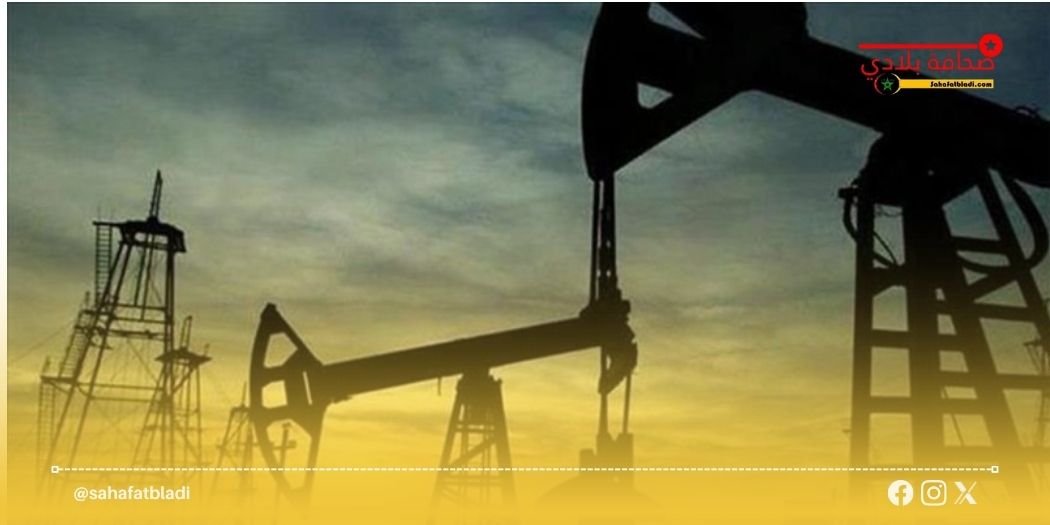
Recent data revealed a remarkable increase in fuel smuggling operations from Libya, in light of the activity of an organized criminal network that relies on complex sea and land routes, taking advantage of weak oversight, the wide coastline, and the overlapping of authorities in some vital areas.
According to a letter addressed to the President of the Security Council from the Group of Experts on Libya, this network has greatly developed its operational capabilities, relying on a logistical structure that includes major ports and multiple ships to facilitate smuggling operations, which has transformed from a limited activity into a cross-border system extending to five Arab and European countries.
This network relies on advanced methods, including marine camouflage, forging documents, and repeatedly changing shipping routes, in addition to the technology of transferring fuel from one ship to another at sea, which makes it difficult for the competent authorities to track shipments.
Data indicate that ports such as Benghazi and Ras Lanuf are used as main points for launching illegal shipments, while fuel is stored within specific locations in Libya, and also in the Egyptian city of Port Said, before being redirected to external destinations via forged documents.
The figures revealed that about 578 thousand metric tons of diesel were smuggled from the port of Benghazi between October 2025 and January 2026, with total flows exceeding 688 million liters, in addition to the transport of at least 636 thousand metric tons of refined products through more than 50 sea shipments.
The report also documented the use of a huge logistical structure that includes 99 containers, 22 floating tanks, and 24 marine tankers, as well as 30 documented trips to transport more than 80 million kilograms of diesel, which reflects the size of the network and the breadth of its activity.
In a field development, the Italian police announced the arrest of six people in Sicily, with the prosecution of three others, on suspicion of their involvement in running a fuel smuggling network to Europe, where the value of the shipments was estimated at about 30 million euros, and were marketed at prices about 60% lower than the official prices.
Investigations showed that fuel was being stolen from the Zawiya refinery via small boats, before being transported to larger ships near the coast of Malta, and from there to European markets, with the involvement of elements linked to the Italian mafia and Libyan figures, including a person known as the “King of Smuggling,” recorded.
On the other hand, the National Oil Corporation in Libya confirmed that it is following up on these data, noting that some of the information contained in the United Nations report needs technical scrutiny, while announcing a comprehensive review to prepare an official response supported by accurate documents and data.
These developments come in the context of increasing international pressure to address the issue of fuel smuggling from Libya, given its direct impact on the stability of regional markets and energy security in the Mediterranean region.
Source:“My press”











 ليبيا وموريتانيا