 صحافة بلادي صحيفة إلكترونية مغاربية متجددة على مدار الساعة تعنى بشؤون المغرب الجزائر ليبيا موريتانيا تونس

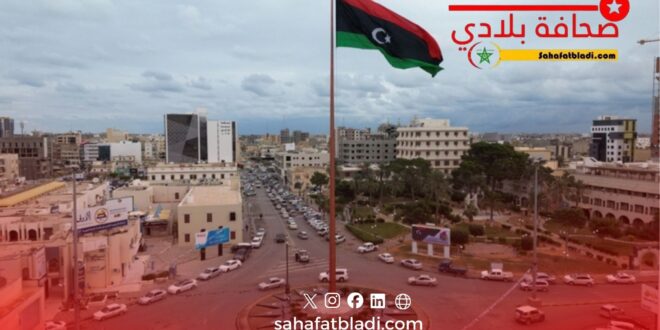
TripoliThe file of electoral laws returned to the forefront of the Libyan political scene with the start of the seventh round of meetings of theCommittee “4+4”In Tunisia, amid continuing disagreements between the Libyan parties over the legal framework regulating presidential and parliamentary entitlements, which, according to observers, reflects the continuing state of political stalemate that the country has been experiencing since the faltering elections of December 2021.
Despite the numerous rounds of dialogue sponsored by the United Nations mission, the committee has not yet announced any official results, which raises questions about the ability of these meetings to achieve a real breakthrough in one of the most complex files, which for years has been one of the most prominent reasons for postponing the elections.
Analysts believe that the crisis is no longer linked only to the drafting of legal texts, but rather to the transformation of election laws into a negotiating card used by political and military forces to maintain balances of influence, in light of the continuing dispute over the conditions for running for the presidency, and the possibility of military personnel and dual nationals running, in addition to the controversy over organizing the presidential and parliamentary elections simultaneously or separately.
The new round comes after six previous negotiating rounds, at a time when the laws prepared by the “6+6” committee are still facing political objections and international reservations, which prevented them from being finally approved or transformed into a basis for organizing elections.
Observers confirm that the continued amendment and reopening of laws at every negotiating stage reflects the absence of a comprehensive political consensus rather than a legal dispute, considering that any agreement will not be sufficient unless it is accompanied by a political will that guarantees the implementation of its outcomes on the ground.
Specialists also say that the absence of an agreed-upon constitutional basis remains one of the most prominent obstacles to organizing stable elections, as any electoral legislation remains vulnerable to challenge or disruption in light of the continued institutional division and multiple decision-making centers.
Observers believe that the success of any electoral process in Libya will not be measured only by passing laws, but rather by the ability of the various parties to overcome narrow political calculations and provide real guarantees for holding elections that put an end to the transitional stages that the country has been experiencing for years.
Source:“My press”