 صحافة بلادي صحيفة إلكترونية مغاربية متجددة على مدار الساعة تعنى بشؤون المغرب الجزائر ليبيا موريتانيا تونس

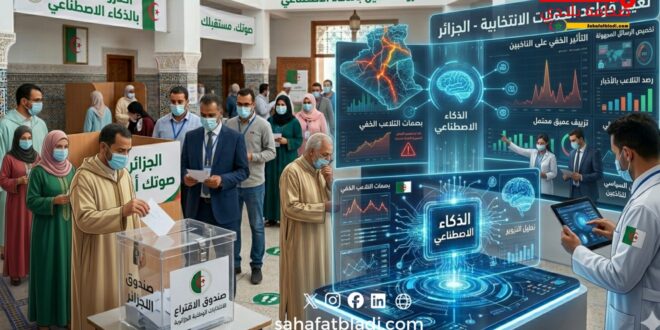
Algeria –The Franco-Algerian researcher and expert in the field of artificial intelligence, Warda Barachid Baelich, warned of the escalation in the use of artificial intelligence technologies in the ongoing election campaigns, considering that this shift may reshape the method of political communication and pose challenges related to transparency and influence on voters, in an interview with Al-Khabar newspaper.
The researcher, author of the book “Humans in the Age of Artificial Intelligence,” explained that these technologies are no longer limited to improving the production of posters or texts, but rather extend to analyzing voter trends, customizing political messages, and dividing the audience into precise categories, which gives campaigns greater ability to target and influence.
She added that the most prominent uses of artificial intelligence in the electoral context include the production of political content such as speeches, publications, and videos, in addition to analyzing public opinion by tracking digital interactions, as well as tools for the internal organization of campaigns such as summarizing documents and managing teams.
She also pointed to the emergence of more sophisticated tools such as chatbots and digital agents capable of interacting with voters, warning against their misuse to create the “illusion of proximity” or manipulate public opinion and spread misleading information.
The researcher stressed that the danger does not lie in the technology itself, but in the way it is used, stressing that the proper use of artificial intelligence must be based on accuracy, authenticity, transparency and responsibility, so that it does not turn into a tool for hidden influence instead of serving democratic debate.
In the same context, she warned that political influence in the digital age is no longer direct, but rather depends on individual messages directed through algorithms, which may lead to an invisible reshaping of voter awareness and the division of public debate into “isolated digital worlds
Source: “My Press”